Executives and High-Potential Leaders: Unlock Your Full Potential
Executives and high-potential leaders face significant expectations: developing strategic vision, making decisions under pressure, leading by example, and helping others grow.
Expertise, commitment, and hard work are often what lead to greater responsibility. However, as the scope of a role expands, continued success also depends on the ability to influence, delegate, communicate effectively, and bring people together around a shared vision.
Executive coaching helps leaders navigate this transition and build a sustainable leadership presence.
What Got You Here May Not Get You There
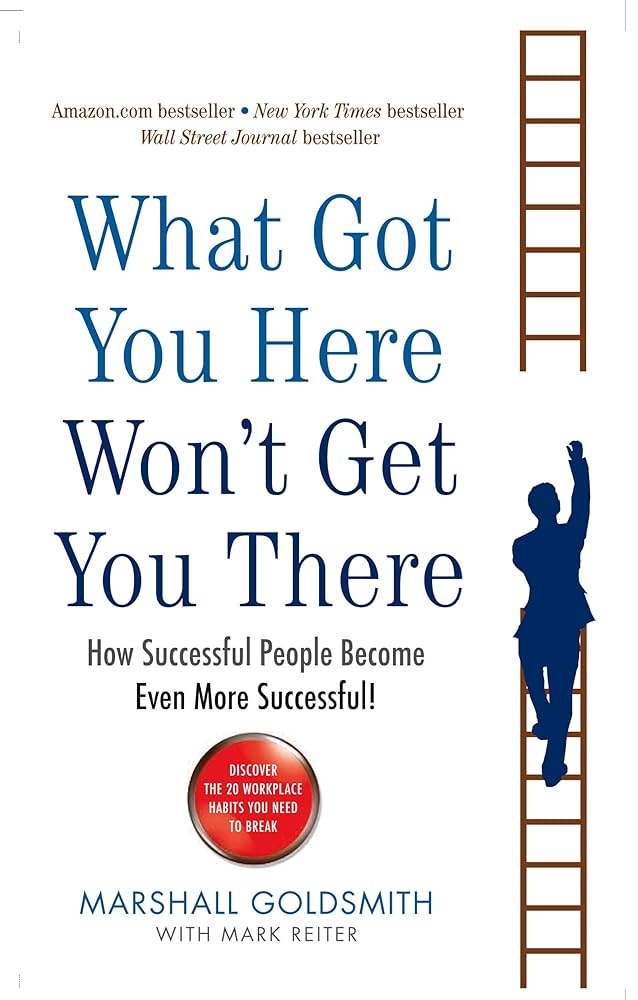
In his book What Got You Here Won’t Get You There, Marshall Goldsmith examines the behaviors that can hold back otherwise talented and successful professionals.
Some of the habits that contributed to their success may become less effective as they move into positions of greater responsibility.
A leader may, for example, have built credibility by mastering every detail, maintaining close control, or quickly providing solutions.
The next stage of leadership may require a different approach:
- delegating instead of overseeing everything;
- listening before providing an answer;
- building trust instead of maintaining control;
- developing others instead of continually demonstrating expertise;
- stepping back from day-to-day operations to focus on strategic priorities;
- inspiring people around a shared vision rather than relying solely on authority.
The objective is not to abandon the strengths that led to success. It is to identify the behaviors that must evolve in order to move forward.
Nicolas: Moving from Expertise to Leadership
Nicolas has recently been identified as a high-potential leader within his company. Recognized for his expertise, reliability, and high standards, he is given responsibility for a larger team and several strategic initiatives.
However, Nicolas continues to operate as he did in his previous role. He reviews every project, steps in as soon as a problem arises, and sometimes takes over his team members’ work to ensure the expected result.
His commitment remains strong, but he gradually loses the time and perspective needed to focus on strategic priorities. His team continually seeks his approval and struggles to develop greater autonomy.
His coaching objective is clear:
How can I maintain high standards without controlling everything or becoming the required checkpoint for every decision?
Coaching helps Nicolas recognize that the expertise that was essential in his previous role must now support the development of his team.
He learns to clarify expectations, delegate progressively, ask questions before providing his own solutions, and distinguish between decisions that genuinely require his involvement and those that can be made by others.
Nicolas does not lower his standards. He learns to apply them differently.
Over time, his team members take greater initiative, responsibilities become clearer, and Nicolas regains the time needed to focus on the strategic priorities of his role.
How Executive Coaching Can Help
Executive coaching provides a confidential space to step back and examine your leadership posture, professional practices, and career ambitions.
It can help you:
- better understand your strengths and areas for development;
- successfully transition into a position of greater responsibility;
- strengthen your leadership and ability to influence;
- gain perspective on operational challenges;
- delegate more effectively and empower your team;
- prepare for important decisions or sensitive conversations;
- lead with greater confidence;
- build sustainable performance.
Unlock Your Potential Without Losing What Makes You Unique
Developing as a leader does not mean becoming someone else. It means understanding how you operate, evolving certain behaviors, and adopting a leadership posture that matches your new level of responsibility.
AFIACOACH supports executives and high-potential leaders in strengthening independent thinking, decision-making capabilities, leadership presence, and interpersonal effectiveness.
What Is Your Next Step?
What behaviors do you need to evolve today to reach the next stage of your professional journey?
Coaching helps you step back, strengthen your leadership posture, and fully embrace the scope of your responsibilities.
Unlock your full leadership potential and move forward with confidence. What if we talked about it?