

Managing Emotions: Recognize and Channel Your Emotions
Emotions influence our decisions, relationships, communication, and ability to take action. In certain situations, they can become overwhelming: stress before a meeting, frustration during a disagreement, guilt after a decision, or difficulty remaining calm.
Managing emotions does not mean controlling, denying, or eliminating them. It means learning to recognize them, understand what they are signaling, and choose an appropriate response.
Coaching provides a confidential space to develop this ability and turn emotions into useful resources rather than obstacles.
Emotional Intelligence: Beyond IQ
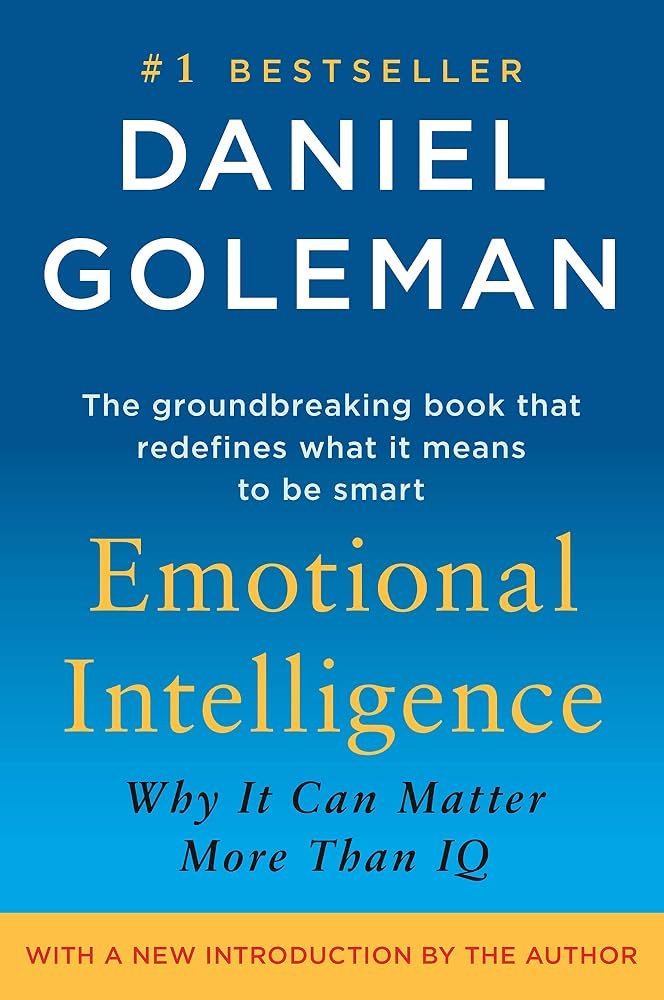
In his 1995 book Emotional Intelligence, Daniel Goleman popularized the idea that cognitive intelligence alone does not fully explain personal or professional success.
Emotional intelligence includes the ability to recognize, understand, and manage our own emotions while becoming more aware of the emotions of others.
The model associated with Daniel Goleman is built around five core competencies:
- Self-awareness: recognizing emotions and understanding their influence on thoughts, behavior, and decisions.
- Self-regulation: channeling reactions, managing impulses, and adapting to change.
- Motivation: directing energy and continuing to pursue a goal despite difficulties.
- Empathy: understanding the needs, emotions, and perspectives of others.
- Social skills: communicating, collaborating, building constructive relationships, and managing disagreements.
Developing emotional intelligence does not mean becoming less sensitive. It means using that sensitivity with greater awareness, judgment, and purpose.
Why Learn to Recognize Your Emotions?
In a tense situation, an emotional reaction can occur before rational thought has had time to guide the response. Words, decisions, and behavior may then be influenced by fear, anger, frustration, or a sense of unfairness.
Recognizing what is happening creates space between the emotion and the response.
This ability can help you:
- manage stress and pressure more effectively;
- make decisions with greater perspective;
- express disagreement without damaging the relationship;
- prevent impulsive reactions;
- better understand the needs of others;
- improve communication and conflict management;
- protect your energy and personal balance.
The emotion then becomes information to consider rather than a reaction you must endure.
How Coaching Can Help
Coaching does not tell you what you should feel. It helps you observe your reactions, identify their triggers, and develop responses that are appropriate for you.
It can help you:
- name your emotions and understand where they come from;
- acknowledge your feelings without judgment;
- identify situations that trigger recurring reactions;
- develop personal emotional regulation strategies;
- strengthen assertiveness and communication;
- use listening and empathy without becoming overwhelmed;
- respond with greater calm and judgment in sensitive situations.
Coaching can be particularly helpful when emotions affect professional presence, relationships, public speaking, or decision-making.
However, coaching is not a substitute for medical or psychological care when the situation involves a health concern.
Isabelle: Remaining Supportive Without Becoming Overwhelmed
Isabelle works as a human resources manager. She regularly leads sensitive meetings, communicates difficult decisions, and handles tense situations.
Because she is highly attentive to others, Isabelle takes on much of the emotional weight expressed by the people she supports. She sometimes hesitates to set boundaries, tries to avoid conflict, and continues thinking about difficult conversations long after the workday has ended.
Over time, this emotional burden begins to affect her energy and her ability to maintain perspective.
Her coaching objective is clear:
How can I remain available and empathetic without becoming overwhelmed by other people’s emotions?
Coaching helps Isabelle identify the situations that trigger guilt, apprehension, or an excessive need to preserve the relationship.
She learns to distinguish listening from taking responsibility for someone else’s experience, prepare for difficult conversations, and communicate boundaries more clearly. She also creates opportunities to step back before and after sensitive discussions.
Isabelle does not become less caring. She learns to use empathy without carrying alone what belongs to others.
Over time, her communication becomes more assertive, her decisions more composed, and difficult situations less draining.
Turn Your Emotions into a Strength
Emotions are neither weaknesses nor enemies. They provide valuable information about our needs, boundaries, and relationship with our environment.
Coaching helps you understand and channel emotions so they can become part of a more conscious and effective way of responding.
AFIACOACH supports individuals and professionals in developing emotional intelligence, strengthening communication, and approaching high-pressure situations with greater confidence.
Are certain emotions taking up too much space in your personal or professional life? Let’s explore what they are communicating and turn them into resources for moving forward.